
 Deutsch

Product information: Ingredients – NutriMe
All ingredients of NutriMe Complete and NutriMe Weight Management – with active ingredient form, origin, quality tests and minimum and maximum amounts.
Search and table of contents
38 entries
Product:
Type:
For vegans:
No ingredient matches your search. Please check the spelling or reset the search.
No entry matches the selected filters. Please change the filters or reset the search.
Your search term appears in the change history.
Your search term appears in the note on the additional ingredients of NutriMe Weight Management.
To select by suitability, please use the “For vegans” filter.
Starch is now only contained in NutriMe Complete – NutriMe Weight Management no longer contains starch.
Go to:NutriMe CompleteNutriMe Weight ManagementDosageChange history
In brief: NutriMe Complete comprises 26 possible active ingredients and 8 additional ingredients; which active ingredients are included, and in what amounts, depends on the individual formulation. NutriMe Weight Management contains the active ingredients prickly pear cactus extract and white bean extract.
NutriMe Complete34 entries
Active ingredients (26)
- Alpha-lipoic acid
- Coenzyme Q10Through biological fermentation
- IronBisglycinate
- Folic acid
- Folic acidMethylfolate
- CalciumCalcium carbonate
- CollagenPeptan F 2000 HD (fish collagen peptides)not vegan
- CopperCopper sulphate
- LuteinFrom Tagetes erecta
- MagnesiumMagnesium bisglycinate
- MagnesiumMagnesium oxide
- MagnesiumMagnesium citrate
- ManganeseManganese(II) sulphate
- Methylsulfonylmethane (MSM)MSM
- Sodium HyaluronateSodium hyaluronate (hyaluronic acid)
- Omega-3 fatty acidsFrom microalgae (Schizochytrium)
- PhytosterolFrom pine
- SeleniumSelenomethionine
- Vitamin ARetinyl acetate
- Vitamin B12Methylcobalamin
- Vitamin B2Riboflavin
- Vitamin B6Pyridoxine hydrochloride
- Vitamin CAscorbic acid
- Vitamin D3Cholecalciferol (vegan)
- Vitamin ED-alpha-tocopheryl acetate
- ZincZinc bisglycinate
Additional ingredients (8)
NutriMe Weight Management4 entries
Active ingredients (2)
Additional ingredients (2)
NutriMe Complete
Ingredients of NutriMe Complete
26 active ingredients
High-quality raw materials from biological and pharmaceutical sources. The efficacy of our micronutrient blends is largely based on the quality of our raw materials: about 80 % come from biological and around 20 % from pharmaceutically produced ingredients. This blend ratio can vary depending on the formulation.
Alpha-lipoic acid
The alpha-lipoic acid used is a high-quality, natural compound that occurs both in the human body and in certain foods. This substance plays a decisive role in the energy-producing structures of the cells.
- Pharmaceutically produced
- Natural raw material
Benefits of this active ingredient form
- Good bioavailability: The R-form of alpha-lipoic acid, which occurs naturally in the human body, has been shown to be well absorbed and metabolised. This means that the body can absorb and use it easily, especially when it is produced pharmaceutically to ensure purity and consistency.
- Sustainable production: The ability to produce alpha-lipoic acid synthetically means that there is no excessive dependence on natural sources, which ensures a steady and sustainable production.
- Free from heavy metals: Thanks to the strict pharmaceutical manufacturing process, it can be ensured that the synthetically produced alpha-lipoic acid is free from impurities and heavy metals that might be present in some natural sources.
- Environmentally friendly: The production of alpha-lipoic acid, especially under laboratory conditions, can be regarded as environmentally friendly, as it does not have the same environmental impact as the extraction of resources or extensive agriculture.
- Allergy-friendly: Since alpha-lipoic acid is produced pharmaceutically, it can be designed to be free from common allergens, making it a safe choice for people with certain food allergies or intolerances.
Manufacture
The production of the R-form of alpha-lipoic acid uses a synthetic approach based on the reaction of sulphur, ethyl 6,8-dichlorocaprylate and sodium sulphide. Each of these components is also produced by synthetic means, which makes the entire production process both biological and synthetic.
Health claims
- Occurs in small amounts in the human body. It is both water- and fat-soluble and is involved in enzymatic processes of energy metabolism, especially in the citric acid cycle. It can be taken in both through food and produced by the body itself to a limited extent.
Certification & classification
- Hypoallergenic
- Halal
- Kosher
- suitable for vegans and vegetarians
- free from lactose
- free from gluten
- free from GMO
- free from parabens
- free from preservatives
- free from artificial colourings
Quality tests performed
- Microbiologically tested
- Raw materials tested for doping substances
- Nutrient content tested
- IR identity testing of all raw materials
- ISO 22000 certified management system
Coenzyme Q10 – Through biological fermentation
Coenzyme Q10 (CoQ10) is a fat-soluble, vitamin-like substance that occurs in almost every cell of the human body.
- Natural raw material
- Produced through biological fermentation
Benefits of this active ingredient form
- Natural source: Coenzyme Q10 is obtained through biological fermentation of microorganisms, which makes it a clean and natural source of this important molecule.
- Good bioavailability: Some research findings suggest that coenzyme Q10 from fermentation has a high bioavailability, which means that the body can absorb and use it more easily.
- Sustainable production: The production of coenzyme Q10 through fermentation of microorganisms is sustainable, as no large land resources are required and no environmentally harmful chemicals are used in the production process.
- Free from heavy metals: In contrast to some other food supplements that can be contaminated with heavy metals, coenzyme Q10 produced through fermentation is generally free from such impurities.
- Environmentally friendly: The fermentation production of coenzyme Q10 has the advantage that it generates less waste and requires fewer resources, which means it is regarded as part of an environmentally friendly production.
- Allergy-friendly: Since coenzyme Q10 is derived from the fermentation of microorganisms, it is often free from common allergens, making it a good option for people with certain food allergies or intolerances.
Manufacture
Coenzyme Q10 is obtained through a biological fermentation process. This is a method in which plant material serves as the starting substance. Through the fermentation of certain microorganisms, specifically the bacterium Rhodobacter sphaeroides, coenzyme Q10 is produced in a natural way. This approach ensures that the resulting coenzyme Q10 is of high quality and bioavailability, as it is created through biological fermentation and not produced synthetically.
Health claims
- Is a natural component of the mitochondria and plays a central role in cellular energy generation (ATP synthesis). Q10 occurs in the highest concentrations in organs with high energy demand, such as the heart, liver and kidneys. The body's own production declines from the age of 30.
Certification & classification
- Hypoallergenic
- Halal
- Kosher
- suitable for vegans and vegetarians
- free from lactose
- free from gluten
- free from GMO
- free from parabens
- free from preservatives
- free from artificial colourings
Quality tests performed
- Microbiologically tested
- Raw materials tested for doping substances
- Nutrient content tested
- IR identity testing of all raw materials
- ISO 22000 certified management system
Iron – Bisglycinate
Iron bisglycinate is a chelated form of iron created by combining iron with glycine. Thanks to its special structure, it exhibits an increased bioavailability, allowing the body to absorb and use the iron more easily. It is regarded as a well-tolerated and environmentally friendly iron source.
- Pharmaceutically produced
- Natural mineral
Benefits of this active ingredient form
- Natural source: Iron bisglycinate is created from the combination of naturally occurring iron with glycine, which makes it a pure and environmentally friendly iron source.
- Good bioavailability: Thanks to its active form, iron bisglycinate exhibits improved bioavailability, allowing the body to absorb and use it more easily.
- Sustainable production: The production of iron bisglycinate by combining iron, glycine, citric acid and demineralised water ensures an environmentally conscious process that conserves resources.
- Free from heavy metals: Iron bisglycinate is, thanks to its special production, often free from contamination by heavy metals, which underlines its purity and safety for consumption.
- Environmentally friendly: Since iron bisglycinate is obtained from natural minerals, its production contributes to a respectful approach to the environment.
- Allergy-friendly: Iron bisglycinate, produced from iron source, glycine, citric acid and demineralised water, is often free from common allergens, making it a tolerable option for people with certain food allergies or intolerances.
Manufacture
The production of iron bisglycinate is based on a process in which a naturally occurring mineral, specifically iron, serves as the basis. To create the active form of iron bisglycinate with better bioavailability, an iron source is combined with glycine, citric acid and demineralised water. The result of this combination is iron bisglycinate, a chelated iron product that is more readily available to the human body.
Health claims
- contributes to normal cognitive function
- contributes to normal energy-yielding metabolism
- contributes to normal formation of red blood cells and haemoglobin
- contributes to normal oxygen transport in the body
- contributes to the normal function of the immune system
- contributes to the reduction of tiredness and fatigue
- has a role in the process of cell division
Certification & classification
- Hypoallergenic (EU 1169/2011)
- Halal
- Kosher
- suitable for vegans and vegetarians
- free from gluten (EU reg. 1169/2011)
- free from lactose
- free from GMO
- free from parabens
- free from preservatives
- free from artificial colourings
Quality tests performed
- Microbiologically tested
- Raw materials tested for doping substances
- Nutrient content tested
- IR identity testing of all raw materials
- ISO 22000 certified management system
Folic acid
The folic acid preparation used is one of the purest and highest-quality forms of this important vitamin. It is obtained through a specialised chemical process from the starting substances p-aminobenzoyl glutamic acid, triamino hydroxy pyridine sulphate, trichloroacetone and water. Through this careful manufacture, folic acid occurs in its purest and most bioavailable form, ready to be efficiently absorbed and used by the body.
- Pharmaceutically produced
Benefits of this active ingredient form
- Good bioavailability: Studies have shown that pharmaceutically produced folic acid can be efficiently absorbed and used by the body.
- Sustainable production: The pharmaceutical manufacturing process of folic acid ensures a constant and reliable production without the need for agricultural resources.
- Free from impurities: The pharmaceutically produced folic acid is produced under strict quality controls, which makes it free from undesirable impurities.
- Environmentally conscious: The chemical production process is designed to minimise the ecological footprint and to use efficient, environmentally friendly manufacturing methods.
- Allergy-friendly: Folic acid in pure substance form carries a lower risk of allergic reactions, as it is free from common allergens and additives.
Manufacture
Folic acid is produced through a sophisticated pharmaceutical process in which p-aminobenzoyl glutamic acid, triamino hydroxy pyridine sulphate, trichloroacetone and water are used as starting materials. This process is based on specific chemical reactions in which these compounds interact with one another to produce the desired folic acid. After synthesis, the folic acid undergoes a thorough quality check to ensure that it meets the required standards. After completion of these tests, it is packaged for further use or sale.
Health claims
- contributes to maternal tissue growth during pregnancy
- contributes to normal amino acid synthesis
- contributes to normal blood formation
- contributes to normal homocysteine metabolism
- contributes to normal psychological functions
- contributes to the normal function of the immune system
- contributes to the reduction of tiredness and fatigue
- has a role in the process of cell division
Certification & classification
- Hypoallergenic
- Kosher
- Halal
- suitable for vegans
- free from lactose
- free from gluten
- free from GMO
- free from parabens
- free from preservatives
- free from artificial colourings
Quality tests performed
- Microbiologically tested
- Raw materials tested for doping substances
- Nutrient content tested
- IR identity testing of all raw materials
- ISO 22000 certified management system
Folic acid – Methylfolate
The folic acid preparation used is one of the purest and highest-quality vitamin sources, pharmaceutically produced by state-of-the-art processes. Its basis is the active substance (6R,S)-5-methyltetrahydrofolic acid, supplemented by further components such as (S)-1-phenylethylamine and (6S)-5-methyltetrahydrofolic acid. Another important component is the fermentatively obtained glucosamine hydrochloride.
- Pharmaceutically produced
Benefits of this active ingredient form
- Sustainable production: The pharmaceutical production of methylfolate aims to use resources efficiently and minimise waste, which means it can be regarded as more sustainable than other manufacturing methods.
- Free from impurities: As a pure substance produced in controlled environments, methylfolate is free from heavy metals and other potential contaminants.
- Environmentally friendly: The production of methylfolate in pharmaceutical laboratories takes place under strict environmental standards, which leads to a smaller ecological footprint.
- Allergy-friendly: Since methylfolate is produced in pure form and without unnecessary additives, there is a low risk of allergens, making it a suitable option for people with certain food allergies or intolerances.
Manufacture
Using advanced pharmaceutical technologies, folic acid (methylfolate) is produced through a specified pharmaceutical reaction process. The starting points are the compounds (6R,S)-5-methyltetrahydrofolic acid and (6S)-5-methyltetrahydrofolic acid. Together with (S)-1-phenylethylamine and the fermentatively obtained glucosamine hydrochloride, these components are combined in a precisely monitored process. After completion of the reaction, the resulting methylfolate is thoroughly quality-tested to ensure that it meets the highest pharmaceutical standards. After passing all quality controls, the pure methylfolate is packaged and prepared for use in food supplements and medicines.
Health claims
- contributes to maternal tissue growth during pregnancy
- contributes to normal amino acid synthesis
- contributes to normal blood formation
- contributes to normal homocysteine metabolism
- contributes to normal psychological functions
- contributes to the normal function of the immune system
- contributes to the reduction of tiredness and fatigue
- has a role in the process of cell division
Certification & classification
- Hypoallergenic
- Halal
- Kosher
- suitable for vegans
- free from lactose
- free from gluten
- free from GMO
- free from parabens
- free from preservatives
- free from artificial colourings
Quality tests performed
- Microbiologically tested
- Raw materials tested for doping substances
- Nutrient content tested
- IR identity testing of all raw materials
- ISO 22000 certified management system
Calcium – Calcium carbonate
The calcium extract used is one of the highest-quality natural mineral sources, obtained from calcareous marine algae (Lithothamnion sp.). These algae are harvested from the seabed of the North Atlantic. Calcium thus occurs in the form of calcium carbonate from natural sources.
- Natural raw material
- Extracted from biological sources
Benefits of this active ingredient form
- Natural source: Calcium carbonate from algae is obtained directly from nature, which means it is regarded as a clean and environmentally friendly calcium source.
- Good bioavailability: Some studies suggest that calcium from algae can have a higher bioavailability, which means that the body can absorb and use it more easily.
- Sustainable production: The extraction of calcium from algae can be more sustainable than the mining of mineral calcium sources, as algae grow quickly and require fewer land resources.
- Free from heavy metals: In contrast to some mineral calcium sources that can be contaminated with heavy metals, calcium carbonate from algae is often free from such impurities.
- Environmentally friendly: The cultivation of algae helps to remove carbon dioxide from the atmosphere, which means the food supplement can be regarded as part of a climate-friendly production.
- Allergy-friendly: Calcium carbonate from algae is often free from common allergens, making it a good option for people with certain food allergies or intolerances.
Manufacture
Calcified algae are harvested from the pure waters of the North Atlantic in the region of Iceland. The calcium is then extracted in the form of calcium carbonate, quality-tested and subsequently packaged.
Health claims
- contributes to normal energy-yielding metabolism
- contributes to normal muscle function
- contributes to normal neurotransmission
- contributes to the normal function of digestive enzymes
- contributes to normal blood clotting
- has a role in the process of cell division and specialisation
- is needed for the maintenance of normal bones
- is needed for the maintenance of normal teeth
Certification & classification
- Kosher
- Halal
- Hypoallergenic
- suitable for vegans and vegetarians
- free from GMO (genetic engineering)
- free from gluten
- free from lactose
- free from doping substances
- free from aflatoxins, ochratoxins and patulin
- free from 2-MCPD and/or 3-MCPD
- free from dioxins, furans or dioxin-like PCBs
- free from "softening agents", which also includes glyphosate
- free from formaldehyde
- free from melamine
Quality tests performed
- Microbiologically tested
- Raw materials tested for doping substances
- Nutrient content tested
- IR identity testing of all raw materials
- ISO 22000 certified management system
Collagen – Peptan F 2000 HD (fish collagen peptides)
Peptan® F 2000 HD is a hydrolysed type-I collagen peptide from fish, in food grade. This bioactive ingredient of natural origin is produced specifically for use in nutraceutical products and is characterised by a defined molecular weight of 2000 Da as well as excellent organoleptic properties and instant solubility.
- Natural raw material
- Marine origin (fish)
Benefits of this active ingredient form
- Gentle enzymatic hydrolysis: Production takes place via a mild enzymatic process that enables a precise degree of hydrolysis and an optimal molecular weight (2000 Da) for high bioavailability.
- High purity: The protein content is at least 90 %; the product contains virtually no fat, carbohydrates or fibre.
- Instantly soluble & neutral sensory profile: Peptan® is instantly soluble and has very good organoleptic properties, allowing easy processing in beverages, bars and food supplements.
- Comprehensive amino acids: The collagen hydrolysate contains all essential amino acids except tryptophan and is particularly rich in alanine, arginine, glycine, glutamic acid and proline.
- Strictly controlled quality: Physical and chemical properties, solubility and packaging are controlled according to Rousselot's strict quality and food-safety standards; the product carries GRAS status.
Manufacture
Peptan® F 2000 HD is produced by gentle enzymatic hydrolysis of type-I fish collagen at Rousselot Angoulême (France), achieving a precise degree of hydrolysis and a defined molecular weight of 2000 Da.
Properties
- Collagen is a structural protein and a natural component of skin, bones, tendons and connective tissue.
- In the body, collagen occurs above all in joints, bones and muscles.
- Collagen peptides provide amino acids, in particular glycine and proline.
Certification & classification
Allergen information: Contains fish (declaration required due to origin)
As a marine collagen peptide, Peptan® F 2000 HD is of animal origin (fish) and therefore not suitable for vegans/vegetarians.
- Halal certified
- Kosher certified
- GRAS status (Generally Recognized As Safe)
- compliant with EU reg. 853/2004 & 2073/2005
- compliant with EU reg. 629/2008 (contaminants)
- free from gluten
- free from GMO
- free from parabens
- free from preservatives
- free from artificial colourings
- sodium only product-inherent (no added table salt)
Quality tests performed
- Heavy metals tested (As, Cd, Cr, Cu, Hg, Pb, Zn)
- Microbiologically tested (total plate count, E. coli, salmonella)
- Viscosity & pH value tested
- Sulfites & peroxides tested
- Anaerobic sulfite-reducing spore-formers tested
- Particle size & loss on drying checked
- Tested for fish allergen: below the limit of detection
Copper – Copper sulphate
Copper sulphate, often referred to as blue vitriol, is a light-blue, crystalline chemical product. It is created when copper, a naturally occurring element, is converted into a sulphate.
- Pharmaceutically produced
- Natural raw material
Benefits of this active ingredient form
- Natural source: Copper sulphate comes from a naturally occurring element, copper. Through the process of sulphation, this element is converted into a usable sulphate, which means it finds wide application in many industries.
- Effective application: Copper sulphate is used in numerous sectors due to its versatile properties and benefits, from agriculture to water treatment.
- Sustainable production: Since copper is a naturally occurring element, the extraction and processing into copper sulphate can be regarded as a sustainable process when carried out responsibly.
- Free from impurities: When properly manufactured and processed, copper sulphate is often free from harmful impurities, which makes it a reliable product in various applications.
- Environmentally friendly: The use of copper sulphate in agriculture, especially as a fungicide, can help to protect the environment from harmful infections and pests by keeping plants healthy.
- Broad tolerability: Although copper sulphate can be harmful if handled improperly, it is regarded as safe in many applications as long as the recommended dosages and application guidelines are followed.
Manufacture
It is produced synthetically by reacting copper - a naturally occurring metallic element - with sulphuric acid. The resulting copper sulphate is then crystallised and purified to obtain the final product in its characteristic blue colour.
Health claims
- Contributes to the maintenance of normal connective tissue
- Contributes to normal energy-yielding metabolism
- Contributes to the normal function of the nervous system
- Contributes to normal hair pigmentation
- Contributes to normal iron transport in the body
- Contributes to normal skin pigmentation
- Contributes to the normal function of the immune system
- Contributes to the protection of cells from oxidative stress
Certification & classification
- Hypoallergenic
- Halal
- Kosher
- suitable for vegans and vegetarians
- free from lactose
- free from gluten
- free from GMO
- free from parabens
- free from preservatives
- free from artificial colourings
Quality tests performed
- Microbiologically tested
- Raw materials tested for doping substances
- Nutrient content tested
- IR identity testing of all raw materials
- ISO 22000 certified management system
Lutein – From Tagetes erecta
Lutein is a yellow to orange carotenoid belonging to a group of pigments found in plants and other photosynthetic organisms. It is one of over 600 known carotenoids, but only a few play such a significant role for the human body as lutein.
- Natural raw material
- Produced from biological sources
Benefits of this active ingredient form
- Natural source: Lutein is obtained directly from Tagetes erecta, also known as the marigold. This makes it a pure and natural source of this important carotenoid.
- Good bioavailability: Some studies show that lutein from Tagetes erecta has a high bioavailability. This means that the body can absorb it efficiently and use it for the protection of the eyes and the promotion of health.
- Sustainable production: The cultivation of Tagetes erecta is often more sustainable than other sources of lutein, as this plant grows quickly and requires fewer land resources.
- Free from heavy metals: Lutein obtained from Tagetes erecta is often free from the heavy metal impurities that can be present in some other sources.
- Environmentally friendly: The cultivation of the marigold not only contributes to lutein extraction but can also help reduce environmental impact by naturally repelling pests and thus reducing the use of pesticides.
- Allergy-friendly: Lutein from Tagetes erecta is generally free from the common allergens, making it a safe choice for people with certain food allergies or intolerances.
Manufacture
The production of lutein from the marigold takes place through an extraction process. The petals of the marigold are collected and then exposed to a solvent that dissolves the lutein out of the plant cells. After extraction, the solvent is removed, and the pure lutein is isolated and concentrated through various purification processes.
Health claims
- Occurs in large amounts in the macula of the eye. The human body cannot synthesise lutein itself – it must be supplied through food.
Certification & classification
- Hypoallergenic
- Halal
- Kosher
- suitable for vegans and vegetarians
- free from lactose
- free from gluten
- free from GMO
- free from parabens
- free from preservatives
- free from artificial colourings
Quality tests performed
- Microbiologically tested
- Raw materials tested for doping substances
- Nutrient content tested
- IR identity testing of all raw materials
- ISO 22000 certified management system
Magnesium – Magnesium bisglycinate
Magnesium bisglycinate is a chelate compound in which magnesium is bound to the amino acid glycine. This form is characterised by a significantly higher bioavailability compared to inorganic magnesium forms and complements the existing magnesium sources in our food supplements.
- Natural mineral
- Chelated magnesium source – high bioavailability
Benefits of this active ingredient form
- High bioavailability: Magnesium bisglycinate is particularly well absorbed by the body as a chelate compound. The binding to glycine protects the magnesium from forming insoluble compounds in the digestive tract and thus significantly improves the absorption rate.
- Quality enhancement: This addition represents a targeted quality improvement of our magnesium profile. The previous magnesium source is retained – magnesium bisglycinate is added in addition.
- Allergy-friendly: Magnesium bisglycinate is free from common allergens and therefore well suited for people with food allergies or intolerances.
Manufacture
Magnesium bisglycinate is produced through chelation of magnesium ions with the amino acid glycine. In this process, magnesium oxide or magnesium hydroxide is reacted with glycine in an aqueous process. The resulting chelate is then purified, dried and processed into a fine, white powder. It meets the requirements of the European Pharmacopoeia.
Health claims
- Contributes to the reduction of tiredness and fatigue
- Has a role in the process of cell division
- Contributes to electrolyte balance
- Contributes to the maintenance of normal teeth
- Contributes to normal energy-yielding metabolism
- Contributes to the maintenance of normal bones
- Contributes to the normal function of the nervous system
- Contributes to normal protein synthesis
- Contributes to normal psychological function
Certification & classification
- Hypoallergenic
- Halal
- Kosher
- suitable for vegans
- free from lactose
- free from gluten
- free from GMO
- free from parabens
- free from preservatives
- free from artificial colourings
Quality tests performed
- Microbiologically tested
- Raw materials tested for doping substances
- Nutrient content tested
- IR identity testing of all raw materials
- ISO 22000 certified management system
Magnesium – Magnesium oxide
Magnesium oxide (MgO) is a white, crystalline salt created by the thermal decomposition of magnesium carbonate.
- Natural mineral
- Natural source of magnesium
Benefits of this active ingredient form
- Natural source: Magnesium oxide (MgO) can occur in nature in the form of the mineral periclase. Although it occurs naturally, the majority of the commercially used magnesium oxide is obtained from magnesite (MgCO3) and produced by thermal decomposition.
- Sustainable production: The extraction of magnesium oxide from mineral sources is sustainable, as these minerals occur in nature and do not have to be obtained through complex processes.
- Free from heavy metals: Magnesium oxide that is correctly obtained and processed is generally free from impurities and heavy metals, which ensures safe intake.
- Environmentally friendly: Since magnesium oxide comes from natural mineral sources, its extraction generally has minimal effects on the environment compared to other production methods.
- Allergy-friendly: Magnesium oxide is a simple inorganic salt and generally contains no common allergens, which makes it a good choice for people with food allergies or intolerances.
Manufacture
Magnesium oxide is produced mainly by burning magnesite (magnesium carbonate) in a high-temperature furnace. In this process, magnesite is heated to temperatures of about 700 to 1000 degrees Celsius, whereby carbon dioxide is released and magnesium oxide remains. This process is also referred to as calcination.
Health claims
- Contributes to the reduction of tiredness and fatigue
- Has a role in the process of cell division
- Contributes to electrolyte balance
- Contributes to the maintenance of normal teeth
- Contributes to normal energy-yielding metabolism
- Contributes to the maintenance of normal bones
- Contributes to the normal function of the nervous system
- Contributes to normal protein synthesis
- Contributes to normal psychological function
Certification & classification
- Hypoallergenic
- Halal
- Kosher
- suitable for vegans
- free from lactose
- free from gluten
- free from GMO
- free from parabens
- free from preservatives
- free from artificial colourings
Quality tests performed
- Microbiologically tested
- Raw materials tested for doping substances
- Nutrient content tested
- IR identity testing of all raw materials
- ISO 22000 certified management system
Magnesium – Magnesium citrate
Magnesium citrate is one of the premium and natural mineral compounds produced from a combination of biological and mineral sources. This particular magnesium is obtained from magnesium oxide (MgO) and magnesium carbonate (MgCO3), which are then combined with citric acid to form the highly bioavailable magnesium citrate.
- Natural mineral
- Natural source of magnesium
Benefits of this active ingredient form
- Natural source: Magnesium citrate is obtained from a combination of magnesium oxide and magnesium carbonate, which are regarded as natural mineral sources. This origin ensures that magnesium citrate is regarded as a clean and natural magnesium source.
- Good bioavailability: Magnesium citrate is an active form of magnesium known for its high bioavailability. This means that the body can absorb and use it easily, which makes it a preferred choice for food supplements.
- Sustainable production: The extraction of magnesium from mineral sources can be regarded as sustainable, as these minerals occur in nature and do not have to be obtained through elaborate processes.
- Free from heavy metals: Magnesium citrate produced from the specified sources is generally free from impurities and heavy metals, which ensures safe intake.
- Environmentally friendly: Since magnesium citrate is obtained from mineral sources, there are no negative effects on the environment such as those associated with some other production methods.
- Allergy-friendly: Magnesium citrate is generally free from common allergens, which makes it a good choice for people with certain food allergies or intolerances.
Manufacture
Natural magnesium oxide obtained from mineral sources is processed together with magnesium carbonate. This magnesium is then treated with citrate, which comes from vegetable fermentation. The result of this combination is magnesium citrate. After production, the magnesium citrate is quality-tested, packaged and then available for consumption and further applications.
Health claims
- Contributes to the reduction of tiredness and fatigue
- Has a role in the process of cell division
- Contributes to electrolyte balance
- Contributes to the maintenance of normal teeth
- Contributes to normal energy-yielding metabolism
- Contributes to the maintenance of normal bones
- Contributes to the normal function of the nervous system
- Contributes to normal protein synthesis
- Contributes to normal psychological function
Certification & classification
- Hypoallergenic
- Halal
- Kosher
- suitable for vegans
- free from lactose
- free from gluten
- free from GMO
- free from parabens
- free from preservatives
- free from artificial colourings
Quality tests performed
- Microbiologically tested
- Raw materials tested for doping substances
- Nutrient content tested
- IR identity testing of all raw materials
- ISO 22000 certified management system
Manganese – Manganese(II) sulphate
Manganese(II) sulphate is a chemical compound consisting of the element manganese and sulphuric acid. It typically appears as a pale pink or colourless crystalline salt and is readily soluble in water. This water-soluble property makes manganese sulphate a preferred agent when manganese is administered in industrial applications or as a food supplement.
- Pharmaceutically produced
- Natural mineral
Benefits of this active ingredient form
- Natural source: Manganese sulphate comes from a naturally occurring element that has been converted into a sulphate, which means it is regarded as a clean and environmentally friendly manganese source.
- Good bioavailability: Some investigations suggest that manganese in the form of manganese sulphate has a high bioavailability, which means that the body can absorb and use it efficiently.
- Sustainable production: Since manganese is a naturally occurring element, the production of manganese sulphate can be regarded as more environmentally friendly compared to some synthetically produced compounds.
- Free from heavy metals: In contrast to some other mineral manganese sources that can be contaminated with heavy metals, manganese sulphate is produced in a process designed to minimise impurities.
- Environmentally friendly: The extraction and processing of natural manganese helps to reduce the environmental impact and thus supports a more sustainable production.
- Allergy-friendly: Manganese sulphate is generally free from common allergens, making it a tolerable option for people with certain food allergies or intolerances.
Manufacture
The production of manganese(II) sulphate takes place through the reaction of manganese powder with sulphuric acid. Manganese is a naturally occurring element contained in various minerals in the earth's crust. For the production of manganese(II) sulphate, manganese powder is mixed with sulphuric acid. This reaction produces manganese(II) sulphate in the form of an aqueous solution. Subsequently, through various processes such as crystallisation, the manganese(II) sulphate can be obtained in the form of manganese(II) sulphate monohydrate, a white solid used in many industrial applications and as a food supplement.
Health claims
- Contributes to normal energy-yielding metabolism
- Contributes to the maintenance of normal bones
- Contributes to the normal formation of connective tissue
- Contributes to the protection of cells from oxidative stress
Certification & classification
- Hypoallergenic
- Halal
- Kosher
- suitable for vegans and vegetarians
- free from lactose
- free from gluten
- free from GMO
- free from parabens
- free from preservatives
- free from artificial colourings
Quality tests performed
- Microbiologically tested
- Raw materials tested for doping substances
- Nutrient content tested
- IR identity testing of all raw materials
- ISO 22000 certified management system
Methylsulfonylmethane (MSM) – MSM
MSM (methylsulfonylmethane) is an organic sulphur compound that occurs in numerous natural sources but can also be produced pharmaceutically to ensure purity and consistency.
- Pharmaceutically produced
- Natural raw material
Benefits of this active ingredient form
- Good bioavailability: Numerous studies show that MSM is well absorbed by the body, which means that it can act quickly and efficiently once consumed.
- Naturally occurring element: Although MSM is produced pharmaceutically, it is originally a naturally occurring element that exists in its pure form as a sulphate.
- Free from heavy metals: Thanks to the pharmaceutical manufacturing process, MSM is often free from heavy metals and other impurities that might occur in some natural sources.
- Environmentally friendly production: The manufacturing process of MSM takes ecological aspects into account and ensures that no environmentally harmful by-products are created.
- Allergy-friendly: Due to its purity and the absence of additives, MSM is often free from allergens, making it a suitable option for people with certain sensitivities or allergies.
- MSM is an essential component of various amino acids (methionine, cysteine) and thus a fundamental building block of proteins, enzymes and connective tissue. It occurs naturally in small amounts in fruits, vegetables and grains.
Manufacture
In the pharmaceutical production of MSM, dimethyl sulphoxide (DMSO) is used as the starting material. In a process involving the reaction of DMSO with hydrogen peroxide, the DMSO is converted into MSM. Water plays a crucial role here in controlling the reaction and ensuring that the final product has the desired quality.
Certification & classification
- Hypoallergenic (EU 1169/2011)
- Halal
- Kosher
- suitable for vegans and vegetarians
- free from lactose
- free from gluten
- free from GMO
- free from parabens
- free from preservatives
- free from artificial colourings
Quality tests performed
- Microbiologically tested
- Raw materials tested for doping substances
- Nutrient content tested
- IR identity testing of all raw materials
- ISO 22000 certified management system
Sodium Hyaluronate – Sodium hyaluronate (hyaluronic acid)
The sodium hyaluronate used is the sodium salt of hyaluronic acid, a high-quality natural compound found in human connective tissue, skin, joints and eyes. The grade used has a molecular weight of 0.8–1.5 MDa and is obtained plant-based through bacterial fermentation.
- Natural raw material
- Plant-based
- Non-GMO
Benefits of this active ingredient form
- Plant-based fermentation: It is produced by bacterial fermentation from plant sources instead of animal material (e.g. rooster combs), which makes the product vegan and free from animal-related risks.
- High purity: The HA content is at least 93 % (on a dry-matter basis) and the glucuronic acid content at least 45 %, which ensures a consistent active-ingredient quality.
- Defined molecular weight: At 0.8–1.5 MDa it has a medium molecular weight that allows good processability and solubility (transparency ≥ 99 % in a 0.1 % solution).
- Free from heavy metals and contaminants: Limits for arsenic, cadmium, lead and mercury are strictly observed; the product is microbiologically controlled and free from salmonella, E. coli and S. aureus.
- Non-GMO & residue-free: No genetically modified organisms, no metal catalysts, no residual solvents and no irradiation during production.
Manufacture
Sodium hyaluronate is produced plant-based by microbial fermentation (non-GMO), without the use of metal catalysts or reagents in accordance with guideline EMEA/CHMP/SWP/4446/2000. No class 1, 2 or 3 solvents are used, and the product is not irradiated during or after production.
Properties
- Occurs naturally in human connective tissue, skin, joints and inside the eye.
- As a molecule, it can bind many times its own weight in water.
- Is a natural component of the joint fluid (synovial fluid).
Certification & classification
- Halal certified
- Kosher certified (pareve)
- suitable for vegans and vegetarians
- not of animal origin (no TSE/BSE risk)
- free from palm oil and phthalates
- hypoallergenic
- free from gluten
- free from GMO
- free from latex
- free from colourings and preservatives
- not irradiated
Quality tests performed
- Microbiologically tested
- Heavy metals tested (As, Cd, Pb, Hg)
- HA content (assay) tested
- pH value & transparency tested
- Residual solvents checked
- SVHC/REACH conformity checked
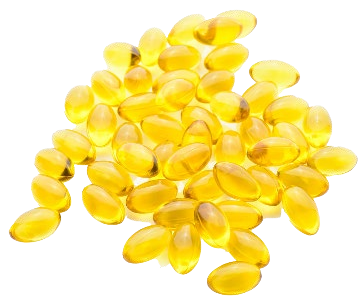
Omega-3 fatty acids – From microalgae (Schizochytrium)
The omega-3 fatty acid extract used is among the purest and highest-quality vegan natural sources and comes from carefully cultivated microalgae such as Schizochytrium. These algae are known for their high content of omega-3 fatty acids, especially DHA and EPA. These valuable fatty acids are obtained through an environmentally friendly extraction process in order to preserve their purity and quality.
- Natural raw material
- Extracted from biological sources
Benefits of this active ingredient form
- Natural source: Omega-3 fatty acids are obtained from carefully cultivated microalgae species such as Schizochytrium, which makes them a vegan, clean and environmentally friendly omega-3 source. Thanks to a high DHA and EPA content, our omega-3 products are particularly rich in important fatty acids.
- High bioavailability: Omega-3 fatty acids from microalgae are often well absorbed and used by the body, which means they are effective in their action.
- Sustainable production: With proper extraction, omega-3 fatty acids from certain microalgae can be produced sustainably and free from contaminants, with first-class quality ensured by a modern, environmentally friendly process.
- Free from contaminants: The environmentally friendly process of fat extraction from microalgae ensures a contaminant-free quality.
- Environmentally friendly: The cultivation of omega-3-rich algae can help to reduce the CO2 content in the atmosphere and thus contributes to environmentally friendly production methods.
Composition per softgel
- Fill weight: 500 mg algal oil
- Omega-3 fatty acids: 475 mg
- of which EPA: 155 mg (eicosapentaenoic acid)
- of which DHA: 110 mg (docosahexaenoic acid)
Freshness of the oil: TOTOX value
The TOTOX value (total oxidation) indicates how strongly an omega-3 oil has oxidised and is therefore a measure of its freshness: the lower the value, the fresher the oil. As a rule of thumb, a value below 10 indicates a fresh, non-rancid oil. The quality standard of GOED (Global Organization for EPA and DHA Omega-3s) sets a maximum of 26. Our algal oil has a TOTOX value of 7.4*.
Manufacture
The high-quality algae oil with a high content of DHA and EPA is obtained from carefully cultivated microalgae species such as Schizochytrium. After harvesting, the oil is obtained using modern, environmentally friendly processes such as fat extraction, in order to ensure a contaminant-free and first-class quality. The purified algae oil, rich in valuable omega-3 fatty acids, is then encapsulated in plant-based softgel capsules. After encapsulation, the product undergoes strict quality checks before it is safely packaged and prepared for distribution.
Health claims
- DHA and EPA contribute to the normal function of the heart
- DHA contributes to the maintenance of normal brain function
- DHA contributes to the maintenance of normal vision
Certification & classification
- purely biological
- sustainably harvested
- Halal
- Kosher
- suitable for vegans and vegetarians
- free from GMO
- free from lactose
- free from gluten
- free from preservatives
- free from artificial colourings
Quality tests performed
- Raw materials tested for doping substances
- Nutrient content tested
- Oxidation status tested (TOTOX value 7.4*)
- IR identity testing of all raw materials
- ISO 22000 certified quality management system
Phytosterol – From pine
The phytosterol used is one of the highest-quality natural sterol sources, obtained from pine (pine source). Phytosterol from this biological source occurs in its natural form and represents a pure and environmentally friendly method of obtaining this important plant sterol.
- Natural raw material
- Extracted from biological sources
Benefits of this active ingredient form
- Natural source: Phytosterol is extracted directly from pine, which means it is regarded as a pure and environmentally friendly source of sterols.
- Good bioavailability: Some studies suggest that phytosterols from pine can exhibit a higher bioavailability, which means that the body can absorb and use them more easily.
- Sustainable production: The extraction of phytosterol from pine can be more sustainable than from other sources, as pine forests contribute to air purification and require less intensive agricultural resources.
- Free from heavy metals: In contrast to some other phytosterol sources, phytosterol from pine is often free from heavy metal contamination.
- Environmentally friendly: Pines help to absorb carbon dioxide from the atmosphere, which means phytosterol can be regarded as part of a climate-friendly production.
- Allergy-friendly: Phytosterol from pine is often free from common allergens, making it a good option for people with certain food allergies or intolerances.
Manufacture
Pines that are rich in phytosterols serve as the main source. From these pines, the phytosterol is extracted in its natural form. After extraction, the phytosterol undergoes a purification process to remove any impurities and ensure the highest quality of the product. After purification, the phytosterol is quality-tested. Finally, it is packaged and ready for distribution.
Health claims
- Contributes to the maintenance of normal blood cholesterol levels.
Certification & classification
- Halal
- Kosher
- suitable for vegans and vegetarians
- Hypoallergenic
- free from gluten
- free from GMO
- free from lactose
- free from parabens
- free from preservatives
- free from artificial colourings
Quality tests performed
- Microbiologically tested
- Raw materials tested for doping substances
- Nutrient content tested
- IR identity testing of all raw materials
- ISO 22000 certified management system
Selenium – Selenomethionine
Selenium is an essential, naturally occurring mineral that is indispensable for many bodily functions. In its active form, such as in L-selenomethionine, it can be better absorbed by the body, which increases its bioavailability. Selenium is often used in combination with other minerals, such as calcium hydrogen phosphate.
- Natural mineral
- Produced from biological sources
Benefits of this active ingredient form
- Natural source: Selenomethionine is obtained directly from natural mineral sources, which means it is regarded as a clean and environmentally friendly selenium source.
- Good bioavailability: Thanks to its active form, selenomethionine can exhibit better bioavailability, allowing the body to absorb and use it more easily.
- Sustainable production: Since selenomethionine occurs naturally, its extraction can be regarded as more sustainable than the mining of pure mineral selenium sources.
- Free from heavy metals: In contrast to some mineral selenium sources that can be contaminated with heavy metals, selenomethionine is often free from such impurities.
- Environmentally friendly: Since selenomethionine occurs naturally, its production supports an environmentally conscious and climate-friendly manufacture.
- Allergy-friendly: Selenomethionine is often free from common allergens, making it a suitable option for people with certain food allergies or intolerances. It represents a reliable and natural form of this essential mineral.
Manufacture
L-selenomethionine is obtained as a bioavailable selenium source.
Health claims
- contributes to normal spermatogenesis
- contributes to the maintenance of normal hair
- contributes to the maintenance of normal nails
- contributes to the normal function of the immune system
- contributes to normal thyroid function
- contributes to the protection of cells from oxidative stress
Certification & classification
- Hypoallergenic
- Halal
- Kosher
- suitable for vegans and vegetarians
- free from lactose
- free from gluten
- free from GMO
- free from parabens
- free from preservatives
- free from artificial colourings
Quality tests performed
- Microbiologically tested
- Raw materials tested for doping substances
- Nutrient content tested
- IR identity testing of all raw materials
- ISO 22000 certified management system
Vitamin A – Retinyl acetate
Retinyl acetate is a manufactured derivative of vitamin A. In chemical synthesis it is often produced from beta-ionone, which is also obtained through chemical synthesis. Pharmaceutically, retinyl acetate is frequently used in skincare products and medicines to harness the benefits of vitamin A, especially its properties in skin regeneration and renewal.
- Pharmaceutically produced
- Natural raw material
Benefits of this active ingredient form
- Good bioavailability: Thanks to the specific manufacturing method, the body can absorb and use vitamin A retinyl acetate efficiently, thereby maximising its health benefits.
- Strict production control: The pharmaceutical manufacture follows strict quality controls, which ensures the safety and efficacy of vitamin A retinyl acetate.
- Free from impurities: The chemical synthesis process ensures that the vitamin A is free from undesirable impurities, which guarantees its purity and efficacy.
- Environmental considerations: Although chemically produced, the most modern technologies and methods are used in the production of vitamin A retinyl acetate to minimise environmental impact.
- Suitable for many: Since it is produced pharmaceutically, vitamin A retinyl acetate is often free from allergens that might be present in natural sources, and is therefore also suitable for people with certain food allergies or intolerances.
Manufacture
This production aims for pharmaceutical quality to ensure a high purity and efficacy of the final product. A central step in the production of retinyl acetate is the use of beta-ionone, which is also obtained by synthesis. This beta-ionone serves as a precursor in the synthesis of vitamin A. The entire process requires precise chemical reactions and accurate control mechanisms to ensure that the resulting vitamin A retinyl acetate meets the desired properties and standards.
Health claims
- contributes to normal iron metabolism
- contributes to the maintenance of normal mucous membranes
- contributes to the maintenance of normal skin
- contributes to the maintenance of normal vision
- contributes to the normal function of the immune system
- has a role in the process of cell specialisation
Certification & classification
- Hypoallergenic
- Halal
- Kosher
- Suitable for vegans and vegetarians
- Lactose-free
- Free from gluten
- Free from GMO
- Free from parabens
- Free from preservatives
- Free from artificial colourings
Quality tests performed
- Microbiologically tested
- Raw materials tested for doping substances
- Nutrient content tested
- IR identity testing of all raw materials
- ISO 22000 certified management system
Vitamin B12 – Methylcobalamin
Vitamin B12 - methylcobalamin is one of the highest-quality and most active forms of this essential vitamin. It is obtained from bacteria through a special process of biological fermentation. These bacteria are cultivated in controlled environments to ensure that the resulting vitamin is of the highest quality and purity.
- Natural raw material
- Produced through biological fermentation
Benefits of this active ingredient form
- Natural source: Vitamin B12 in the form of methylcobalamin is obtained from bacteria through a biological fermentation process. As a result, it can be regarded as a clean and natural source of the vitamin.
- Good bioavailability: Methylcobalamin is regarded as an active form of vitamin B12 and exhibits a higher bioavailability in some studies. This means that the body can absorb and use it more efficiently.
- Sustainable production: The production of vitamin B12 through bacterial fermentation is potentially sustainable, as bacteria grow rapidly and do not require the large land or water resources that many other forms of production demand.
- Free from heavy metals: Through biological fermentation, a product is created that is generally free from impurities and heavy metals, in contrast to some mineral sources.
- Environmentally friendly: Bacterial fermentation can be regarded as an environmentally friendly production process, similar to the cultivation of algae, which helps to remove carbon dioxide from the atmosphere.
- Allergy-friendly: Since vitamin B12 is produced from bacteria through fermentation, it is often free from common allergens, making it a suitable option for people with certain food allergies or intolerances.
Manufacture
Bacteria are cultivated through a biological fermentation process to produce vitamin B12. These specialised bacteria are grown in controlled environments to ensure optimal conditions for their growth and production capabilities. After the fermentation process, the vitamin B12 is extracted from the bacteria. It then undergoes strict quality controls to ensure that it meets the highest standards.
Health claims
- contributes to normal energy-yielding metabolism
- contributes to the normal function of the nervous system
- contributes to normal homocysteine metabolism
- contributes to normal red blood cell formation
- contributes to the normal function of the immune system
- contributes to the reduction of tiredness and fatigue
- has a role in the process of cell division
Certification & classification
- Hypoallergenic
- Halal
- Kosher
- suitable for vegetarians and vegans
- free from lactose
- free from gluten
- free from GMO
- free from magnesium stearate
- free from parabens
- free from preservatives
- free from artificial colourings
Quality tests performed
- Microbiologically tested
- Raw materials tested for doping substances
- Nutrient content tested
- IR identity testing of all raw materials
- ISO 22000 certified management system
Vitamin B2 – Riboflavin
The vitamin B2 used, also known as riboflavin, is one of the highest-quality and most natural vitamins, obtained through the process of biological fermentation. The starting material for this process is corn starch, a sustainable and natural resource. Through fermentation, vitamin B2 is produced in a form that the body can easily recognise and use.
- Natural raw material
- Produced through biological fermentation
Benefits of this active ingredient form
- Natural source: Vitamin B2 is obtained from corn starch through a biological fermentation process. This ensures that it comes directly from natural resources and is regarded as a clean and environmentally friendly vitamin source, analogous to calcium carbonate from algae.
- Good bioavailability: Vitamin B2 produced through the fermentation process shows efficient absorption in the body in some studies, which suggests that the body can absorb and use it more easily.
- Sustainable production: The production of vitamin B2 through fermentation of corn starch is sustainable, as maize is a fast-growing grain and requires fewer land resources compared to other manufacturing processes.
- Free from heavy metals: Vitamin B2 from corn starch fermentation is generally free from impurities and heavy metals, in contrast to some mineral sources.
- Environmentally friendly: The fermentation process for obtaining vitamin B2 is environmentally friendly and produces fewer by-products, similar to the cultivation of algae, which contributes to CO2 reduction.
- Allergy-friendly: Since vitamin B2 is obtained from corn starch, it is often free from many allergens, making it a suitable option for people with certain food allergies or intolerances.
Manufacture
Vitamin B2 is obtained from corn starch through a biological fermentation process with special bacteria. After fermentation the vitamin is extracted and quality-tested. It is then packaged and made available for food supplements and other applications.
Health claims
- contributes to normal energy-yielding metabolism
- contributes to the reduction of tiredness and fatigue
- contributes to the normal function of the nervous system
- contributes to the maintenance of normal mucous membranes
- contributes to the maintenance of normal red blood cells
- contributes to the maintenance of normal skin
- contributes to the maintenance of normal vision
- contributes to normal iron metabolism
- contributes to the protection of cells from oxidative stress
Certification & classification
- Hypoallergenic
- Halal
- Kosher
- Suitable for vegetarians and vegans
- Free from lactose
- Free from gluten
- Free from GMO
- Free from parabens
- Free from preservatives
- Free from artificial colourings
Quality tests performed
- Microbiologically tested
- Raw materials tested for doping substances
- Nutrient content tested
- IR identity testing of all raw materials
- ISO 22000 certified management system
Vitamin B6 – Pyridoxine hydrochloride
The vitamin B6 used is one of the highest-quality products, produced through a precise pharmaceutical process. It is created from a chemical reaction in which L-alanine and oxalic acid are esterified. This special manufacturing process ensures a particularly high purity and quality of the vitamin. Vitamin B6 is thus sourced in its purest form from controlled sources.
- Pharmaceutically produced
Benefits of this active ingredient form
- Good bioavailability: The special pharmaceutical production of vitamin B6 can contribute to a high bioavailability, which means that the body can absorb and use it more easily.
- Pure substance: Through the strictly controlled production process, vitamin B6 is obtained as a pure substance, free from undesirable impurities.
- Environmentally friendly: Pharmaceutical production follows high standards that take into account not only quality and purity but also ecological aspects.
- Allergy-friendly: The pharmaceutically produced vitamin B6 is often free from common allergens and foreign substances, making it a suitable option for people with certain food allergies or intolerances.
Manufacture
Vitamin B6 is produced pharmaceutically through a chemical reaction process. This process includes the esterification of L-alanine and oxalic acid. After the desired form of vitamin B6 has been obtained through this reaction, the product is quality-tested. It is then packaged and ready for distribution and use.
Health claims
- contributes to normal cysteine synthesis
- contributes to the regulation of hormonal activity
- contributes to normal energy-yielding metabolism
- contributes to the reduction of tiredness and fatigue
- contributes to the normal function of the nervous system
- contributes to normal homocysteine metabolism
- contributes to normal protein and glycogen metabolism
- contributes to normal psychological function
- contributes to normal red blood cell formation
- contributes to the normal function of the immune system
Certification & classification
- Hypoallergenic
- suitable for vegans and vegetarians
- Halal
- Kosher
- free from lactose
- free from GMO
- free from gluten
- free from parabens
- free from preservatives
- free from artificial colourings
Quality tests performed
- Microbiologically tested
- Raw materials tested for doping substances
- Nutrient content tested
- IR identity testing of all raw materials
- ISO 22000 certified management system
Vitamin C – Ascorbic acid
Vitamin C, scientifically known as ascorbic acid, is an essential water-soluble vitamin needed for various bodily functions. The raw materials are obtained from maize and then converted into vitamin C through natural fermentation with microorganisms.
- Through biological fermentation
Benefits of this active ingredient form
- Natural source: Vitamin C, also known as ascorbic acid, is abundantly present in many natural foods such as citrus fruits and berries and is therefore often regarded as a clean and natural source of the vitamin.
- Good bioavailability: Some research shows that vitamin C, especially in its natural form, has a high bioavailability, which makes it easy for the body to absorb and use.
- Protective function: Vitamin C contributes to the protection of cells from oxidative stress.
- Free from heavy metals: High-quality vitamin C, especially from trusted sources, is often free from impurities and heavy metals that could be present in inferior sources.
- Environmentally friendly: The production of vitamin C, especially when obtained from plant sources, can be regarded as environmentally friendly, as plants absorb carbon dioxide from the atmosphere.
- Allergy-friendly: Pure vitamin C or ascorbic acid is generally free from allergens, making it a safe choice for people with food allergies or intolerances.
Manufacture
The production of vitamin C begins with obtaining the raw materials from maize. This maize serves as the starting material, which is fermented in the first steps. Through the use of microorganisms, the maize is converted into vitamin C precursors as part of a natural fermentation. Subsequently, the product undergoes several processing stages: ion exchange, crystallisation, concentration and esterification. This leads to the conversion into the final ascorbic acid form. Further steps such as a second ion exchange, decolorisation, renewed crystallisation and drying follow in order to ensure purity and quality. Finally, the product is checked with a metal detector to exclude any impurities, and then packaged. The final result is pure vitamin C, ready for use or further processing.
Health claims
- contributes to normal collagen formation for the normal function of blood vessels
- increases iron absorption
- contributes to normal collagen formation for the normal function of bones
- contributes to the regeneration of the reduced form of vitamin E
- contributes to normal collagen formation for the normal function of cartilage
- contributes to the reduction of tiredness and fatigue
- contributes to the normal function of the immune system during and after intense physical exercise
- contributes to the protection of cells from oxidative stress
- contributes to normal collagen formation for the normal function of the gums
- contributes to the normal function of the immune system
- contributes to normal collagen formation for the normal function of the skin
- contributes to normal psychological function
- contributes to normal collagen formation for the normal function of teeth
Certification & classification
- Hypoallergenic (EU 1169/2011)
- Halal
- Kosher
- suitable for vegans and vegetarians
- free from GMO
- free from lactose
- free from parabens
- free from preservatives
- free from artificial colourings
Quality tests performed
- Microbiologically tested
- Raw materials tested for doping substances
- Nutrient content tested
- IR identity testing of all raw materials
- ISO 22000 certified management system
Vitamin D3 – Cholecalciferol (vegan)
Vitamin D3 Vegan is obtained from a purely biological source: algae. This plant-based basis ensures that the vitamin D3 produced is completely vegan. Since Vitamin D3 Vegan has a natural origin, it is the ideal choice for vegans and anyone who values natural origin.
- Natural raw material
- Produced from biological sources
Benefits of this active ingredient form
- Natural source: Vitamin D3 Vegan is obtained directly from algae, a natural source. This positions it as a clean and environmentally friendly vitamin source.
- Good bioavailability: Some investigations suggest that vitamin D3 from algae has a high bioavailability, which means that the body can absorb and use it efficiently.
- Sustainable production: The extraction of vitamin D3 from algae is sustainable, as algae occur naturally in many environments worldwide and do not create the same mining or land-resource pressure as some mineral sources.
- Free from heavy metals: In contrast to some synthetically produced vitamin D3 sources that could contain impurities, vitamin D3 from algae is often free from such impurities.
- Environmentally friendly: Algae grow naturally in many different climate zones. Therefore, vitamin D3 from algae can be regarded as part of an environmentally friendly production.
- Allergy-friendly: Vitamin D3 from algae is often free from common allergens, which makes it a safe option for people with certain food allergies or intolerances.
Manufacture
The vegan production of vitamin D3 is based on an alternative source of cholesterol obtained from algae. For the vegan production of vitamin D3, cholesterol is extracted from these algae. Subsequently, this cholesterol, similar to the process with animal cholesterol, is irradiated to produce vitamin D3. The result is a purely plant-based vitamin D3 that is especially suitable for vegans and vegetarians.
Health claims
- contributes to normal absorption/utilisation of calcium and phosphorus
- contributes to normal blood calcium levels
- contributes to the maintenance of normal bones
- contributes to the maintenance of normal teeth
- contributes to the normal function of the immune system
- has a role in the process of cell division
Certification & classification
- Hypoallergenic
- Halal
- Kosher
- suitable for vegans
- free from lactose
- free from gluten
- free from GMO
- free from parabens
- free from preservatives
- free from artificial colourings
Quality tests performed
- Microbiologically tested
- Raw materials tested for doping substances
- Nutrient content tested
- IR identity testing of all raw materials
- ISO 22000 certified management system
Vitamin E – D-alpha-tocopheryl acetate
The D-alpha-tocopheryl acetate used is one of the highest-quality natural antioxidants, obtained from soybean oil. This oil source is harvested using sustainable agricultural methods. Vitamin E in the form of D-alpha-tocopheryl acetate thus comes from natural sources and stands for quality and purity.
- Natural raw material
- Extracted from a biological source
Benefits of this active ingredient form
- Natural source: Vitamin E, especially in its form as d-alpha-tocopheryl acetate, is obtained from natural vegetable oils, which makes it a pure and environmentally friendly vitamin source.
- Good bioavailability: Some studies show that vitamin E, especially as d-alpha-tocopheryl acetate, has a high bioavailability, which facilitates absorption and use by the body.
- Sustainable production: The extraction of vitamin E from vegetable oils can be regarded as more sustainable than synthetically produced alternatives, as plants grow through natural processes and consume fewer resources.
- Free from heavy metals: High-quality vitamin E, especially from trusted sources, is generally free from impurities and heavy metals that could occur in inferior products.
- Environmentally friendly: The production of vitamin E from plants helps to absorb carbon dioxide from the atmosphere, which means it is regarded as part of a climate-friendly production.
- Allergy-friendly: Since vitamin E is often obtained from vegetable oils, it is mostly free from common allergens and therefore a good choice for people with certain food allergies or intolerances.
Manufacture
The production of vitamin E in the form of D-alpha-tocopheryl acetate is based on natural raw materials. The valuable vitamin is extracted directly from soybean oil, a biological and pharmaceutical source. To stabilise and refine the final product, the vitamin E is then adsorbed onto silicon dioxide. This ensures the quality and purity of the D-alpha-tocopheryl acetate and makes it a reliable and sustainable choice for consumers.
Health claims
- contributes to the protection of cells from oxidative stress
Certification & classification
- Hypoallergenic
- Halal
- Kosher
- suitable for vegans and vegetarians
- free from gluten
- free from GMO
- free from lactose
- free from parabens
- free from preservatives
- free from artificial colourings
Quality tests performed
- Microbiologically tested
- Raw materials tested for doping substances
- Nutrient content tested
- IR identity testing of all raw materials
- ISO 22000 certified management system
Zinc – Zinc bisglycinate
Zinc bisglycinate is an organic zinc compound in which zinc is bound to two glycine molecules. It is a bioavailable form of zinc that is often used in food supplements. The advantage of zinc bisglycinate over other zinc compounds lies in its high absorption rate in the intestine, which means that the body can absorb the zinc from this compound more easily.
- Pharmaceutically produced
- Natural mineral
Benefits of this active ingredient form
- Natural source: Zinc is obtained directly from natural mineral sources, which makes it a clean and environmentally friendly zinc source.
- Good bioavailability: The active form of zinc exhibits a high bioavailability. Studies show that the body can absorb and utilise this form of zinc particularly well.
- Sustainable production: The extraction of zinc from natural deposits is more sustainable than synthetic manufacturing processes, as it is a naturally occurring form of this mineral.
- Free from heavy metals: Naturally occurring zinc is often free from impurities that can be found in some synthetically produced sources.
- Environmentally friendly: The extraction of natural zinc sources takes place in harmony with nature and without the use of chemical additives, which makes the process climate-friendly.
- Allergy-friendly: Because it is a natural source, the risk of allergens is lower, making zinc a good option for people with certain food allergies or intolerances.
Manufacture
Zinc bisglycinate is created through the chelation of zinc, often from zinc oxide or zinc sulphate, with the amino acid glycine. During production, an aqueous glycine solution is mixed with a zinc source and the pH value is controlled to ensure optimal chelation. After chelation, the mixture is dried to obtain zinc bisglycinate in powder form.
Health claims
- contributes to normal acid-base metabolism
- has a role in the process of cell division
- contributes to normal carbohydrate metabolism
- contributes to the protection of cells from oxidative stress
- contributes to normal cognitive function
- contributes to the normal function of the immune system
- contributes to normal DNA synthesis
- contributes to the maintenance of normal vision
- contributes to normal fertility and reproduction
- contributes to normal macronutrient metabolism
- contributes to the maintenance of normal skin
- contributes to the maintenance of normal testosterone levels in the blood
- contributes to normal fatty acid metabolism
- contributes to the maintenance of normal nails
- contributes to normal vitamin A metabolism
- contributes to normal protein synthesis
- contributes to the maintenance of normal hair and bones
Certification & classification
- Hypoallergenic
- Halal
- Kosher
- suitable for vegans and vegetarians
- free from lactose
- free from gluten
- free from GMO
- free from parabens
- free from preservatives
- free from artificial colourings
Quality tests performed
- Microbiologically tested
- Raw materials tested for doping substances
- Nutrient content tested
- IR identity testing of all raw materials
- ISO 22000 certified management system
Additional ingredients in NutriMe Complete
8 entries
Including coating agents, fillers and carriers – each entry with origin, certification, quality tests and manufacture.
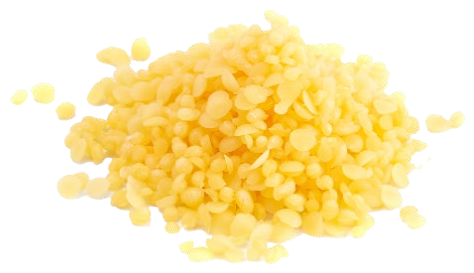
Beeswax – Coating agent
Beeswax is a natural secretion produced by honey bees to build the combs in their hive.
Benefits of this active ingredient form
- Natural source: Beeswax is obtained directly from beehives and is therefore a one hundred percent natural source. This makes it a clean and environmentally friendly alternative to many synthetic ingredients.
- Sustainable production: As a by-product of honey harvesting, the production of beeswax ensures that no additional resources are consumed for its production. Bees play an essential role in pollination, thereby contributing to the preservation of biodiversity.
- Environmentally friendly: The production of beeswax requires no industrial processes or chemicals, which leads to a lower environmental impact. In addition, the use of beeswax supports bee populations and beekeeping, which in turn support the environment.
- Allergy-friendly: Beeswax is often free from common allergens and offers a natural option for people with sensitive skin or allergies.
- Versatile use: Due to its unique properties and texture, beeswax is used in a wide variety of products, from cosmetics to candles.
- Pure composition: As a pure by-product of honey harvesting, beeswax is free from heavy metals and other impurities that may be present in some synthetic materials.
Manufacture
Beeswax is a biological product obtained directly from beehives. It is produced as a by-product when bees produce honey. During honey harvesting, this valuable wax is collected from the combs. As a purely biological source, beeswax has a variety of applications.
Certification & classification
- Hypoallergenic
- Halal
- Kosher
- suitable for vegetarians but not for vegans
- free from gluten
- free from GMO
- free from glyphosate
Quality tests performed
- Microbiologically tested
- Raw materials tested for doping substances
- IR identity testing of all raw materials
- ISO 22000 certified management system
Crospovidone – Polyvinylpolypyrrolidone
Crospovidone (polyvinylpolypyrrolidone) is a synthetic polymer used as a disintegrant in food supplements.
Benefits of this active ingredient form
- Disintegrant: Crospovidone ensures that tablets or pellets disintegrate quickly in the gastrointestinal tract and that the active ingredients can be released rapidly.
- High swelling capacity: The polymer quickly absorbs water and swells, which accelerates the disintegration of the dosage form and improves the bioavailability of the active ingredients.
- Chemical inertness: Crospovidone is chemically inert and does not react with the active ingredients, which ensures the stability of the final product.
- Well tolerated: As an excipient approved by EFSA and FDA, crospovidone is regarded as safe and well tolerated.
Manufacture
Crospovidone is produced by polymerisation of N-vinylpyrrolidone. The resulting cross-linked polymer is insoluble in water but swells strongly. After synthesis, the polymer is purified, dried and ground to the desired particle size. The final product is a white, free-flowing powder that meets pharmaceutical purity requirements.
Certification & classification
- Hypoallergenic
- Halal
- Kosher
- suitable for vegans and vegetarians
- free from GMO
- free from gluten
- free from lactose
- free from preservatives
- free from artificial colourings
Quality tests performed
- Microbiologically tested
- Raw materials tested for doping substances
- IR identity testing of all raw materials
- ISO 22000 certified management system
Gum arabic – Coating agent
Gum arabic is a natural exudate of the acacia (Acacia senegal). It is used in pellet production as a carrier and coating agent and is part of the new coating technology for future pellet production.
Benefits of this active ingredient form
- Natural source: Gum arabic is obtained directly from the sap of the acacia and is therefore a one hundred percent natural raw material.
- Binder and coating agent: As a binder and coating material, gum arabic enables excellent pellet formation and ensures a stable, even surface.
- Well tolerated: Gum arabic is a food additive that has been used for centuries and is regarded as harmless and well tolerated.
- Sustainable production: The raw material comes from sustainably managed acacia cultures in the Sahel region of Africa.
Manufacture
Gum arabic is obtained as a natural exudate directly from the branches of the acacia plant (Acacia senegal and Acacia seyal). The bark is scored, whereupon the resin exudes and hardens into gum-like spheres. These are collected, purified, ground and processed into a fine powder. The final product meets the requirements of the European Pharmacopoeia.
Certification & classification
- Halal
- Kosher
- suitable for vegans and vegetarians
- free from GMO
- free from gluten
- free from lactose
- free from artificial colourings
Quality tests performed
- Microbiologically tested
- Raw materials tested for doping substances
- IR identity testing of all raw materials
- ISO 22000 certified management system
Maltitol – Sugar alcohol
Maltitol is a sugar alcohol (polyol) obtained from maltose. It is used in pellet production as a carrier and coating agent and enables a new, modern coating technology for pellet production.
Benefits of this active ingredient form
- Carrier substance: Maltitol serves as an excellent carrier substance for pellets and enables an even distribution of the active ingredients in the final product.
- Coating agent: As a coating material, maltitol forms an even protective layer around the pellets that improves their stability and supports a controlled release of the active ingredient.
- Good tolerability: Maltitol is a proven food additive that is regarded as safe and well tolerated.
- New coating technology: The use of maltitol enables an improved pellet production that ensures a higher product quality and better product properties.
Manufacture
Maltitol is obtained through catalytic hydrogenation of maltose. The maltose comes from the enzymatic hydrolysis of starch. The purified maltitol is then dried and processed into a fine, white powder or crystal that meets pharmaceutical and food-law requirements.
Certification & classification
- Halal
- Kosher
- suitable for vegans and vegetarians
- free from GMO
- free from gluten
- free from lactose
- free from artificial colourings
Quality tests performed
- Microbiologically tested
- Raw materials tested for doping substances
- IR identity testing of all raw materials
- ISO 22000 certified management system
Maltodextrin – Carrier substance
Maltodextrin is a partially hydrolysed starch product used as a carrier, filler and binder in food supplements. It improves the flow properties of powders and facilitates the encapsulation of active ingredients.
Benefits of this active ingredient form
- Natural source: Maltodextrin is obtained from natural starch (e.g. maize, wheat, tapioca) and is a well-tolerated, proven food additive.
- Good solubility: Maltodextrin dissolves well in water, which supports a rapid availability of the active ingredients in the digestive tract.
Manufacture
Maltodextrin is produced through controlled enzymatic or acid-catalysed hydrolysis of starch (maize, wheat or tapioca). The hydrolysis process is controlled so that a defined dextrose equivalent value (DE) is achieved. The resulting hydrolysate is then purified, spray-dried if necessary and processed into a white, free-flowing powder.
Certification & classification
- Hypoallergenic
- Halal
- Kosher
- suitable for vegans and vegetarians
- free from GMO
- free from lactose
- free from artificial colourings
Quality tests performed
- Microbiologically tested
- Raw materials tested for doping substances
- ISO 22000 certified management system
Shellac – Coating agent
Shellac is a natural resin produced by the lac insect (Kerria lacca). It is used as a coating agent for capsules, pellets and tablets and gives them a smooth, glossy surface as well as moisture protection.
Benefits of this active ingredient form
- Natural source: Shellac is obtained directly from the secretion of the lac insect and is therefore a one hundred percent natural coating agent.
- Coating agent: Shellac forms a smooth, glossy protective layer on capsules and tablets that protects them from moisture and improves shelf life.
- Gastric resistance: In higher concentrations, shellac can act as a gastro-resistant coating and control the release of the active ingredient in the intestine.
- Proven additive: Shellac has been approved as a food and pharmaceutical additive for decades and is regarded as safe and well tolerated.
Manufacture
Shellac is created as a secretion product of the lac insect, which lives on trees in South and Southeast Asia. The raw resin is collected from the branches, purified and processed by melting and filtering. The final product is an amber-coloured, odourless resin that is used as a coating agent in alcoholic solution.
Certification & classification
- Halal
- Kosher
- Suitable for vegetarians but not for vegans
- free from GMO
- free from gluten
- free from glyphosate
Quality tests performed
- Microbiologically tested
- Raw materials tested for doping substances
- Testing for pesticide residues
- IR identity testing of all raw materials
- ISO 22000 certified management system
Starch – From maize
Starch from maize is a natural binder used in foods and medicines. Thanks to its origin from a biological source, it is well tolerated.
Benefits of this active ingredient form
- Natural source: Starch is obtained directly from maize, a biological source, which makes it a clean and environmentally friendly alternative for many industrial and culinary applications.
- Sustainable production: Maize grows quickly and requires fewer land resources compared to other raw material sources, which makes the production of corn starch a sustainable option.
- Free from heavy metals: Corn starch is generally free from impurities and heavy metals, which makes it a safe choice in foods and other products.
- Environmentally friendly: The cultivation of maize helps to bind carbon dioxide from the atmosphere, similar to algae, which makes the cultivation and use of corn starch part of a climate-friendly production.
- Allergy-friendly: Since starch is a natural product, it is often free from common allergens, making it a suitable option for people with certain food allergies or intolerances.
Manufacture
Starch is extracted from maize and serves as a natural binder in many products. It is isolated from the corn kernel through special processes and can be used in the food industry, in pharmaceuticals and in many other areas.
Certification & classification
- Hypoallergenic
- suitable for vegans and vegetarians
- Halal
- Kosher
- free from GMO
- free from glyphosate (EC regulation 396/2005)
Quality tests performed
- Microbiologically tested
- Raw materials tested for doping substances
- IR identity testing of all raw materials
- ISO 22000 certified management system
Cellulose – Filler
Cellulose is a naturally occurring polymer and the main component of plant cell walls. It is the most abundant organic macromolecule on Earth.
Benefits of this active ingredient form
- Natural source: Cellulose is obtained directly from wood and thus represents a clean and environmentally friendly source of a natural dietary fibre. Good bioavailability of the active ingredients: Although cellulose cannot be digested by humans, it serves in the product as an efficient transporter for the active ingredient and supports its optimal release in the body.
- Sustainable production: Since cellulose comes from renewable wood sources, its production is sustainable and requires fewer land resources compared to some other substances.
- Free from heavy metals: Cellulose from wood is generally free from impurities such as heavy metals that can be found in other sources.
- Environmentally friendly: The cultivation of trees, which is necessary for the extraction of cellulose, helps to absorb carbon dioxide from the atmosphere and thus promotes climate-friendly production.
- Allergy-friendly: Cellulose obtained from wood is mostly free from common allergens, which makes it a good option for people with certain food allergies or intolerances. It is an indigestible natural dietary fibre that is valued above all in the pharmaceutical and food industries.
Manufacture
Cellulose is obtained from wood chips by boiling them in special solutions to remove lignin. After boiling, the cellulose-containing mass is purified and bleached to obtain pure, indigestible cellulose, which is then ready for various applications.
Certification & classification
- Hypoallergenic
- Halal
- Kosher
- suitable for vegans and vegetarians
- free from lactose
- free from gluten
- free from GMO
- free from parabens
- free from preservatives
- free from artificial colourings
Quality tests performed
- Microbiologically tested
- Raw materials tested for doping substances
- IR identity testing of all raw materials
- ISO 22000 certified management system
NutriMe Weight Management
Ingredients of NutriMe Weight Management
2 active ingredients
In October 2026, NutriMe Weight Management was switched from chitosan to prickly pear cactus extract. Its additional ingredients are sodium hydrogen carbonate as well as cellulose, crospovidone and maltodextrin.
Prickly pear cactus extract – Opuntia ficus-indica
Prickly pear cactus extract is obtained from the cladodes (the flat, fleshy shoots) of the prickly pear cactus Cactaceae Opuntia ficus-indica (L.) Mill.
Manufacture
Prickly pear cactus extract is obtained from the cladodes (the flat shoots) of the prickly pear cactus Opuntia ficus-indica. The plant parts are extracted with water, then filtered and vacuum-concentrated. After pasteurisation, the extract is spray-dried with wheat maltodextrin as a carrier, standardised and processed into a fine powder that meets the quality requirements for food supplements.
Prickly pear cactus extract – plant-based research on fat absorption
The prickly pear cactus (Opuntia ficus-indica) is the subject of scientific research on fat binding and fat digestion.
In a placebo-controlled human study with a specially developed cactus fibre complex, 15.8 % of the dietary fat consumed was excreted, compared with 4.6 % in the placebo group.
In addition, laboratory studies with aqueous prickly pear cactus extracts showed a concentration-dependent inhibition of the fat-digesting enzyme pancreatic lipase by 12.6 to 69.1 %.
Taking into account further studies on fat absorption, fat excretion, fat availability and lipase inhibition, the reported percentages yield a purely arithmetical average of around 26 %.
Scientific references (PubMed)
Certification & classification
- Halal
- Kosher
- suitable for vegans and vegetarians
- Hypoallergenic
- free from gluten
- free from GMO
- free from lactose
- free from parabens
- free from preservatives
- free from artificial colourings
- free from nanomaterials
- not irradiated
Quality tests performed
- Microbiologically tested
- Raw materials tested for doping substances
- ISO 22000 certified management system
- Tested for gluten: below the limit of detection
White bean extract – Phaseolus vulgaris
White bean extract (Phaseolus vulgaris) is a purely plant-based extract from white beans that contains the naturally occurring substance phaseolamin.
Benefits of this active ingredient form
- Natural source: The extract is obtained directly from white beans (Phaseolus vulgaris) and is therefore a purely plant-based natural substance.
- Well tolerated: The extract is well tolerated and can be easily integrated into food supplements.
Manufacture
White beans (Phaseolus vulgaris) are harvested and dried. The extraction of phaseolamin takes place through aqueous or alcoholic extraction. The extract is then purified, standardised and dried into a fine powder. The phaseolamin content is analytically controlled and set to a defined content.
Certification & classification
- Hypoallergenic
- Halal
- Kosher
- suitable for vegans and vegetarians
- free from GMO
- free from gluten
- free from lactose
Quality tests performed
- Microbiologically tested
- Raw materials tested for doping substances
- ISO 22000 certified management system
Additional ingredients in NutriMe Weight Management
2 entries
With the switch to prickly pear cactus extract, citric acid monohydrate has been discontinued – it was a component of the chitosan pellets. NutriMe Weight Management no longer contains starch.
Sodium hydrogen carbonate – Sodium bicarbonate
Sodium hydrogen carbonate (sodium bicarbonate) is an inorganic salt that acts as a buffer substance. It neutralises excess stomach acid and improves the tolerability of the formulation.
Benefits of this active ingredient form
- Buffer substance: Sodium hydrogen carbonate regulates the pH value of the formulation and creates an optimal environment for the stability of the active ingredients.
- Stomach tolerability: As an antacid, sodium hydrogen carbonate neutralises excess stomach acid, which improves the tolerability of the formulation and reduces stomach irritation.
- Well tolerated: Sodium hydrogen carbonate is a proven and safe food additive that has long been used in foods and medicines.
- Stabilisation: As a buffer, sodium hydrogen carbonate prevents unexpected pH fluctuations that could impair the quality and efficacy of the active ingredients.
Manufacture
Sodium hydrogen carbonate is produced industrially by the Solvay process: sodium chloride, ammonia and carbon dioxide are reacted in an aqueous solution. The resulting sodium bicarbonate precipitates, is filtered off, washed and dried. The final product is a white, fine-crystalline powder that meets the requirements of the European Pharmacopoeia.
Certification & classification
- Hypoallergenic
- Halal
- Kosher
- suitable for vegans and vegetarians
- free from GMO
- free from gluten
- free from lactose
Quality tests performed
- Microbiologically tested
- Raw materials tested for doping substances
- IR identity testing of all raw materials
- ISO 22000 certified management system
Additional ingredients – Overview
Cellulose, Crospovidone and Maltodextrin (see the info boxes above)
Dosage · NutriMe Complete
Micronutrients – Dosage
Minimum and maximum daily amounts for adults
The table applies to NutriMe Complete and shows the range within which the daily amount of each micronutrient in an individual formulation may lie – a working basis for the composition, not an intake recommendation.
Please note:
The minimum values in the table contain specific numbers. This means that any single micronutrient can be removed from the mixture. However, if you decide to add it, the specified amounts must at least be produced.
Some micronutrients are produced together. For this reason, there are some exceptions to note:
- If you set vitamin E to “0”, vitamins A and lutein will also be set to “0”.
- Folic acid and methylfolate must not add up to more than 600 µg.
- Magnesium citrate, magnesium oxide and magnesium bisglycinate must not exceed a total combined amount of 250 mg.
| Active ingredient | Form | Minimum / day | Maximum / day |
|---|---|---|---|
| Alpha Lipoic acid | Alpha Lipoic acid | 43.3 mg | 195 mg |
| Calcium | Calcium carbonate | 266.7 mg | 1200 mg |
| Coenzyme Q10 | Coenzyme Q10 | 43.5 mg | 130.5 mg |
| Collagen | Collagen (peptides), fish | 700 mg | 1200 mg |
| Copper | Copper sulphate | 0.3 mg | 2 mg |
| Folic acid | Folic acid | 66.7 µg | 600 µg |
| Folic acid | Methylfolate | 66.7 µg | 600 µg |
| Iron | Iron bisglycinate | 14 mg | 42 mg |
| Lutein | Lutein | 2 mg | 6.8 mg |
| Magnesium | Magnesium bisglycinate | 125 mg | 250 mg |
| Magnesium | Magnesium citrate | 125 mg | 250 mg |
| Magnesium | Magnesium oxide | 125 mg | 250 mg |
| Manganese | Manganese sulphate | 2.5 mg | 6 mg |
| MSM | Methylsulfonylmethane | 33.3 mg | 630 mg |
| Omega 3 fatty acids | Omega-3 fatty acids from algal oil (EPA/DHA) (either 0 mg or 950 mg) | 0 mg | 950 mg (two softgels) |
| Phytosterols | Phytosterols (pine) | 210 mg | 630 mg |
| Selenium | Selenomethionine | 18.3 µg | 165 µg |
| Sodium Hyaluronate | Sodium hyaluronate 0.8–1.5 MDa | 20 mg | 200 mg |
| Vitamin A | Retinyl acetate | 266.7 µg | 2500 µg |
| Vitamin B12 | Methylcobalamine | 80 µg | 800 µg |
| Vitamin B2 | Riboflavin | 0.5 mg | 4.3 mg |
| Vitamin B6 | Pyridoxine hydrochloride | 0.5 mg | 4.3 mg |
| Vitamin C | Ascorbic acid | 26.7 mg | 240 mg |
| Vitamin D3 | Cholecalciferol | 10 µg | 100 µg |
| Vitamin E α-TE | d-alpha tocopheryl acetate | 4 mg | 36 mg |
| Zinc | Zinc bisglycinate | 3.3 mg | 25 mg |
Information without guarantee; applicable legal maximum levels in the target country must be checked.
Changes
Change history
Overview of content changes to this page
- Collagen: allergen labelling “Contains fish (declaration required due to origin)” instead of “Hypoallergenic”; test for fish allergen added. Prickly pear cactus extract: test for gluten added. Dosage: molecular weight of sodium hyaluronate 0.8–1.5 MDa (previously 1–1.5 MDa).
- NutriMe Weight Management: Change from chitosan to prickly pear cactus extract. Citric acid monohydrate (a component of the chitosan pellets) has been discontinued; NutriMe Weight Management no longer contains starch.
- Dosage: The maximum amount for vitamin D3 (cholecalciferol) was increased from 50 µg to 100 µg per day.
More about NutriMe
- NutriMe Complete product pageFormulation, basis of personalisation and intake
- Production and qualityHow NutriMe is produced and tested
- Questions about an ingredient?Write to us using the contact form.
Add NutriMe to your portfolio
Would you like to offer personalised food supplements as part of your consultations? We would be pleased to introduce NutriMe and our cooperation to you in person.
Partnership free of charge – no minimum order quantity and no start-up costs.
Request a partnershipWould you like to use NutriMe yourself?
We would be happy to put you in touch with a ProGenom partner near you.
Notes on the product information
* Analytical values such as the TOTOX value may vary from batch to batch.
Food supplements are not a substitute for a varied and balanced diet and a healthy lifestyle. The health claims relate to the respective ingredient and apply if it is contained in the individual formulation in the required amount. Which ingredients are included, and in what amounts, depends on the personal formulation (for minimum and maximum amounts, see Dosage). The recommended daily intake must not be exceeded.
Disclaimer: All information has been taken from the original document with the greatest care. No warranty is given as to its accuracy, completeness or timeliness. The health-related statements are provided for information purposes and must be reviewed legally and professionally (regulatory) before any consumer- or product-related use.
NutriMe Complete & NutriMe Weight Management · Product information · As of October 2026. A brand of ProGenom GmbH.